


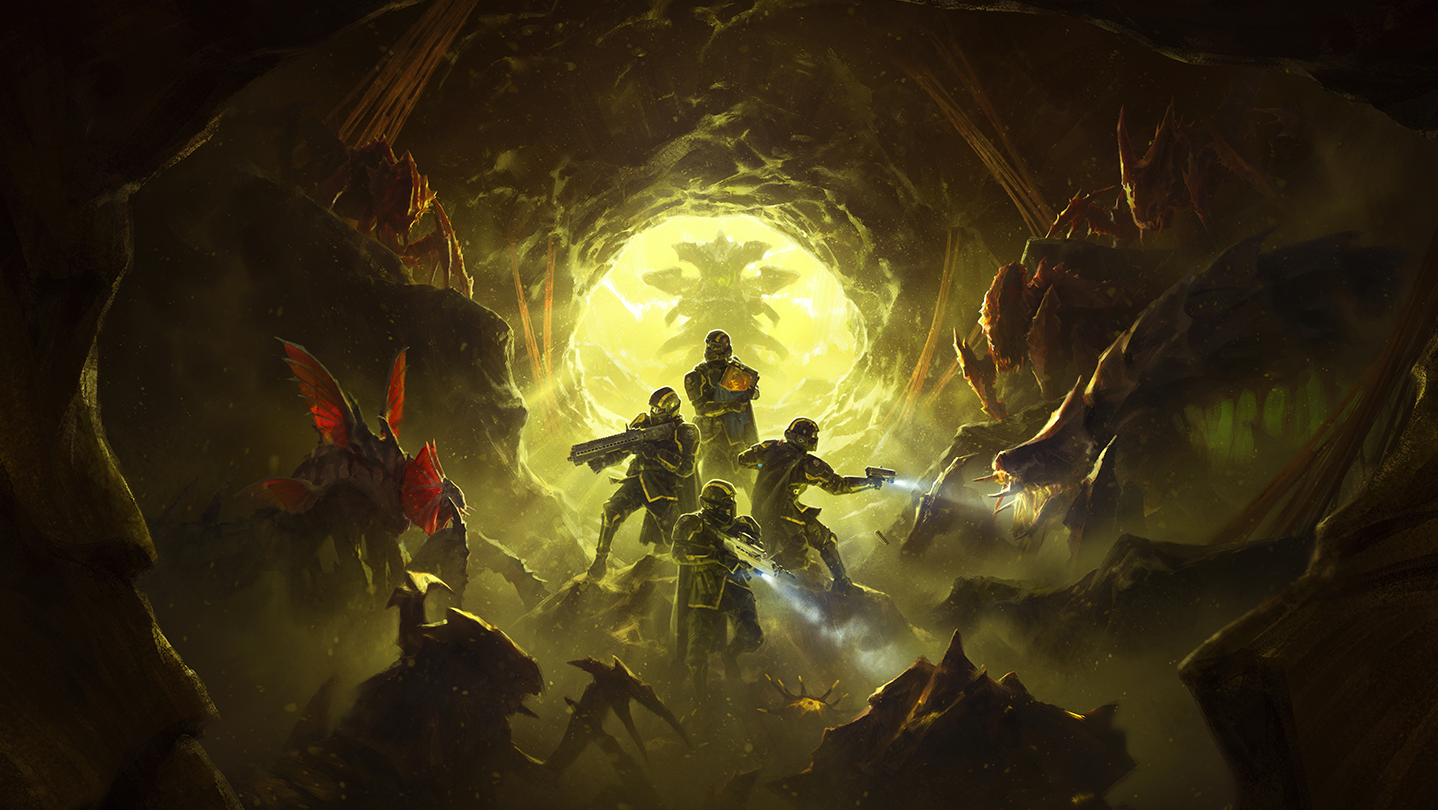


Agen toto77 menampung pembelian nomor lotre togel secara eceran, namun pemain tetap berkesempatan menang besar dengan hadiah utama senilai 10 juta di toto77 X 777 SLOT.
| Interface | Full Audio | Subtitles | |
|---|---|---|---|
| English | ✔ | ✔ | ✔ |
| French | ✔ | ✔ | ✔ |
| Italian | ✔ | ✔ | ✔ |
| German | ✔ | ✔ | ✔ |
| Spanish - Spain | ✔ | ✔ | ✔ |


Best Ongoing Game Winner - The Game Awards 2024

Best Multi-Player Winner - The Game Awards 2024
Action Game of the Year
Online Game of the Year
Outstanding Achievement in Original Music Composition
Outstanding Achievement in Audio Design
 Game of the Year 2024 (Professional)

Game of the Year 2024
Best Visual Design 2024
Best Technical Innovation 2024

Best Game Design: Helldivers 2 - Arrowhead Game Studios | Sony Interactive Entertainment
 #5 Most Wanted Game by PC Gamer
Julukan toto77 Bandar Togel -> Prize Terbesar
Keyword :
toto77 Togel
Hadiah Togel
Togel Online
Togel 10 Juta
Nomor Togel 4D
toto77 resmi
toto77 link
toto77 login
toto77 alternatif
Perekonomian Indonesia menunjukkan kinerja yang solid pada awal tahun 2026. Berdasarkan data terbaru, Produk Domestik Bruto (PDB) nasional tumbuh sebesar 5,6 persen secara tahunan (year-on-year/yoy) pada kuartal pertama 2026. Angka tersebut menjadi capaian pertumbuhan kuartalan tertinggi sejak pertengahan tahun 2021 dan mencerminkan ketahanan ekonomi domestik di tengah dinamika global yang masih berlangsung.
Pertumbuhan ekonomi tersebut didorong oleh beberapa faktor utama, di antaranya konsumsi rumah tangga yang tetap kuat, peningkatan belanja pemerintah, serta pertumbuhan investasi di berbagai sektor strategis. Konsumsi masyarakat yang berkontribusi lebih dari separuh total PDB masih menjadi tulang punggung perekonomian nasional, sementara percepatan realisasi berbagai program prioritas pemerintah turut memberikan dorongan signifikan terhadap aktivitas ekonomi.
Meski demikian, Bank Dunia menyoroti sejumlah tantangan struktural yang masih membayangi. Dalam laporan Indonesia Economic Prospects (IEP) edisi Juni 2026, lembaga tersebut menilai bahwa pertumbuhan ekonomi yang terjadi belum sepenuhnya mampu menciptakan lapangan kerja berkualitas dengan tingkat produktivitas dan pendapatan yang memadai untuk memperkuat kelas menengah Indonesia.
Menurut Bank Dunia, ekonomi Indonesia masih menghadapi kesenjangan antara pertumbuhan lapangan pekerjaan dan kualitas pekerjaan yang tersedia. Kondisi tersebut dinilai berpotensi memperlambat mobilitas sosial masyarakat dalam jangka panjang. Menariknya, menyusutnya porsi kelas menengah yang kesulitan mempertahankan daya beli ini berbanding lurus dengan perubahan lanskap perilaku digital mereka di dunia maya.
Di tengah tekanan finansial dan minimnya kepastian karier di sektor riil, gawai masyarakat modern kini kerap beralih fungsi menjadi ruang berburu solusi instan. Lini masa media sosial dan forum digital kelas pekerja mulai diramaikan oleh diskusi panas seputar pencarian pola slot gacor, pengelolaan modal di platform slot online, ramalan angka jitu toto4D, hingga partisipasi aktif dalam bursa taruhan live bet olahraga internasional. Fenomena tingginya trafik pencarian kata kunci seperti slot gacor atau kupon toto4D mencerminkan sebuah pelarian psikologis dari kelas menengah yang terhimpit—di mana sensasi menebak angka atau memutar gulungan gambar di platform slot online menawarkan ilusi perbaikan ekonomi kilat.
Para sosiolog ekonomi mengingatkan bahwa maraknya aktivitas live bet dan hiburan spekulatif ini merupakan alarm keras bagi ketahanan domestik. Ketika pendapatan dari pekerjaan formal dinilai tidak lagi cukup untuk mengejar inflasi dan biaya hidup, daya pikat ketegangan instan dari ekosistem siber dianggap sebagai alternatif rekreasi sekaligus jalan pintas imajinatif untuk menutupi kebutuhan harian, meskipun risiko kerugian material yang mengintai justru dapat mempercepat penurunan status sosial mereka menjadi kelompok rentan miskin.
Refleksi Kelas Menengah: Menyelamatkan porsi kelas menengah tidak bisa mengandalkan faktor keberuntungan instan layaknya memenangkan taruhan di live bet atau menebak keluaran toto4D. Penguatan struktur sosial membutuhkan stabilitas upah riil, penciptaan lapangan kerja berproduktivitas tinggi, dan literasi keuangan yang kuat, bukan sekadar bergantung pada perputaran algoritma semu slot gacor di internet.
Sepanjang kuartal pertama 2026, peningkatan konsumsi masyarakat turut dipengaruhi momentum Ramadan dan Idul Fitri, pencairan tunjangan hari raya aparatur sipil negara, serta percepatan pelaksanaan Program Makan Bergizi Gratis (MBG). Di sisi lain, investasi mencatat pertumbuhan sebesar 6 persen, meningkat dibandingkan tahun sebelumnya yang berada di level 5,1 persen.
Pada tingkat sektoral, sektor jasa menjadi motor utama pertumbuhan ekonomi nasional. Aktivitas perdagangan, transportasi, perhotelan, jasa keuangan, serta teknologi informasi memberikan kontribusi dominan terhadap ekspansi ekonomi. Industri manufaktur juga menunjukkan perkembangan positif, terutama pada sektor logam dan elektronik yang mengalami peningkatan produksi cukup signifikan.
Ke depan, pemerintah diharapkan mampu menjaga momentum pertumbuhan ekonomi melalui peningkatan investasi produktif, penciptaan lapangan kerja berkualitas, serta penguatan sektor industri bernilai tambah tinggi. Dengan regulasi yang kuat, perlindungan konsumen, serta edukasi literasi keuangan yang merata, pertumbuhan ekonomi digital diharapkan dapat diarahkan ke sektor yang lebih produktif agar masyarakat dapat mengambil keputusan ekonomi secara bijak dan kompetitif di era transformasi modern.
Slot online merupakan salah satu bentuk permainan digital yang banyak ditemukan pada platform hiburan berbasis internet. Permainan ini umumnya menggunakan sistem gulungan virtual dengan berbagai tema, efek visual, serta fitur bonus yang dirancang untuk memberikan pengalaman interaktif kepada pengguna. Dalam praktiknya, hasil permainan ditentukan oleh sistem acak atau Random Number Generator (RNG). Meskipun sering dipromosikan dengan berbagai istilah seperti jackpot atau kemenangan besar, penting untuk memahami bahwa setiap putaran memiliki unsur keberuntungan yang tidak dapat diprediksi secara pasti. Oleh karena itu, pengguna perlu memahami risiko finansial yang dapat muncul sebelum berpartisipasi.
Toto 4D adalah permainan tebak angka yang mengharuskan peserta memilih kombinasi empat digit angka sesuai dengan ketentuan yang berlaku pada suatu pasaran tertentu. Permainan ini dikenal luas di berbagai negara Asia dan biasanya memiliki jadwal pengundian yang telah ditetapkan. Setiap kombinasi angka memiliki peluang yang sama untuk keluar dalam hasil undian. Karena bersifat acak, tidak ada metode yang dapat menjamin keberhasilan dalam memprediksi hasil secara konsisten. Berbagai strategi dan analisis angka yang beredar di masyarakat umumnya bersifat spekulatif dan tidak dapat dijadikan jaminan untuk memperoleh hasil yang diharapkan.
©2023 Sony Interactive Entertainment LLC. Developed by Arrowhead Game Studios AB. Helldivers is a registered trademark of Sony Interactive Entertainment LLC and related companies in the U.S. and other countries.